Kimberley Primary School
Religious Education
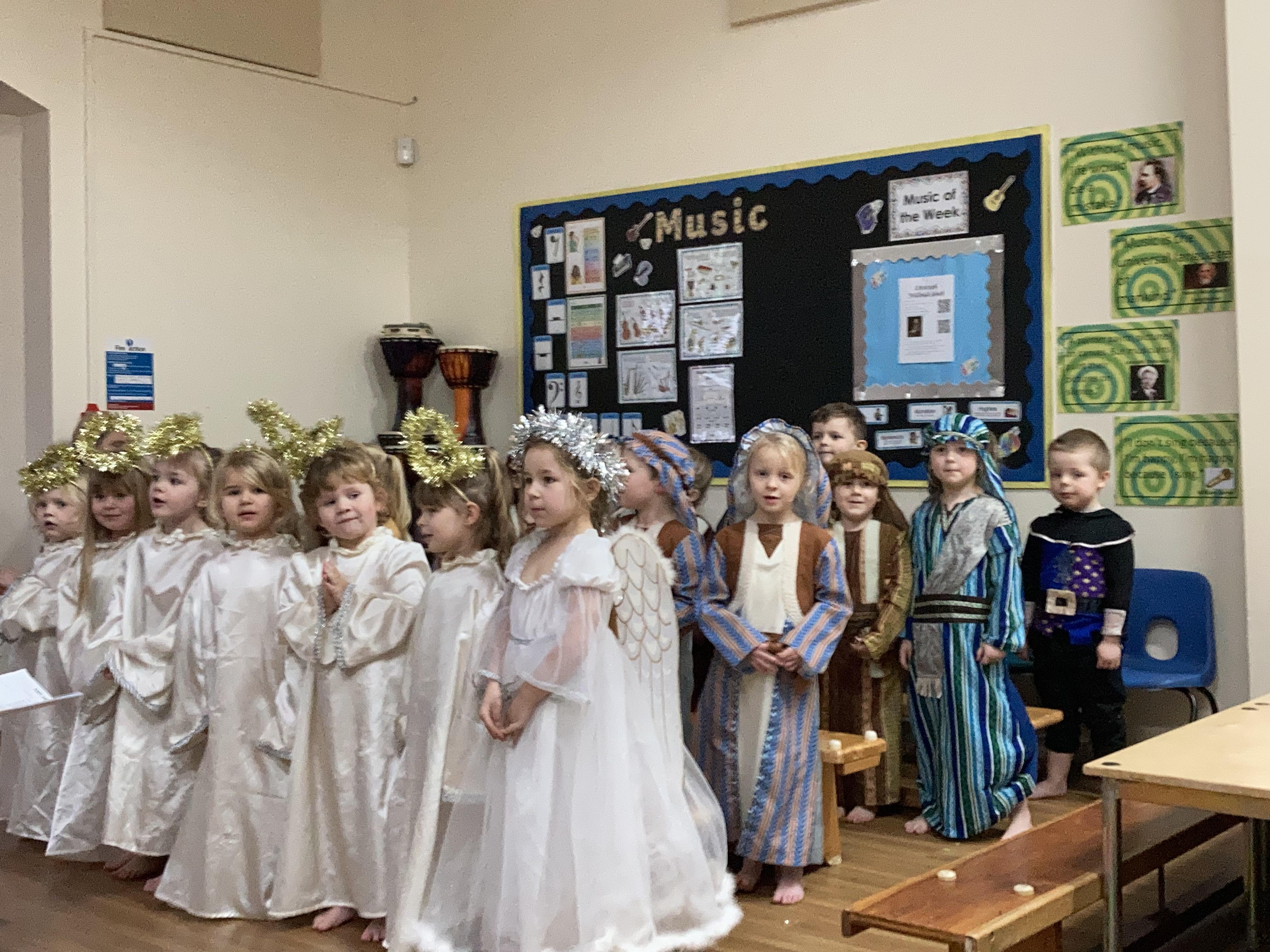
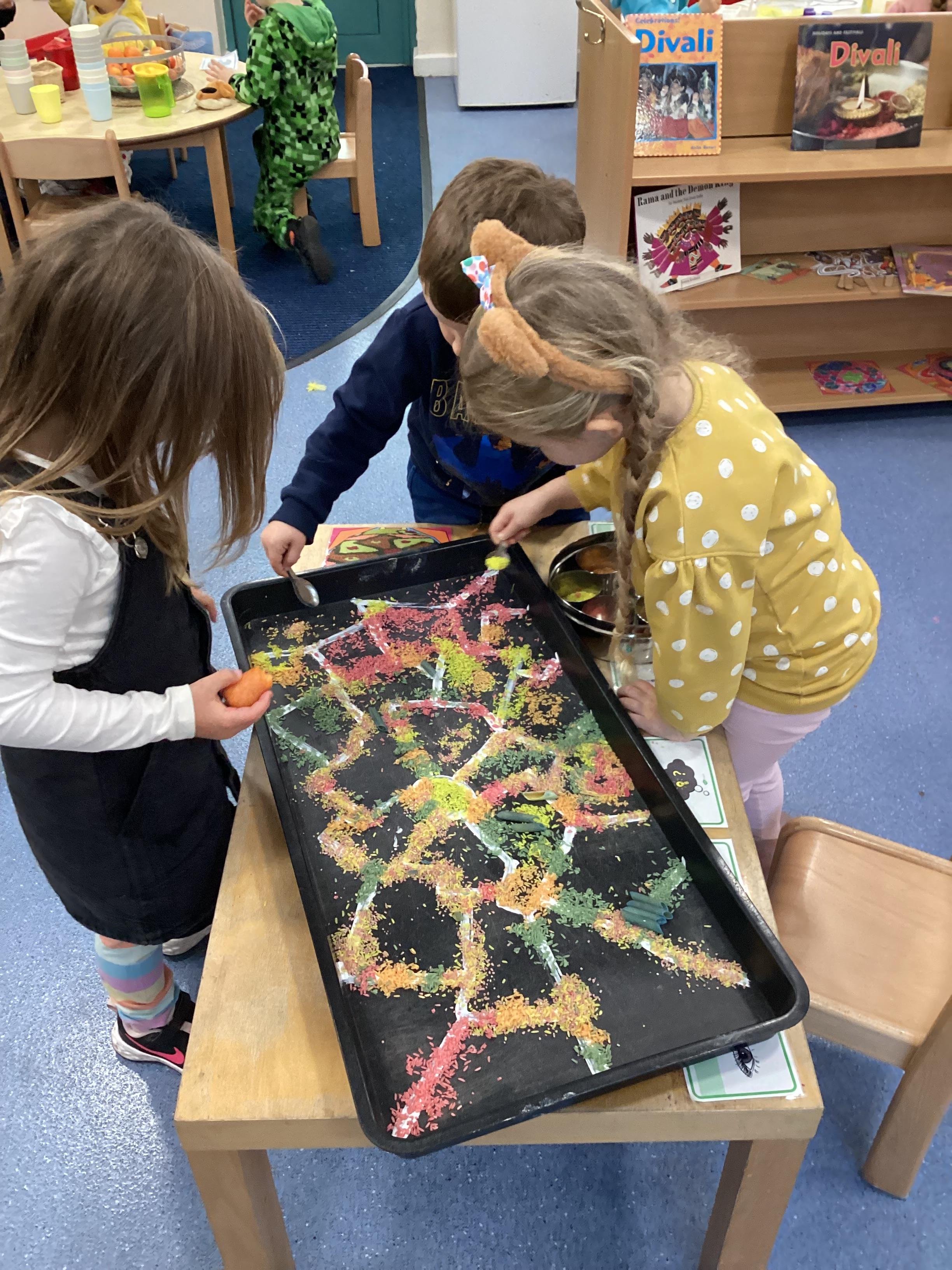
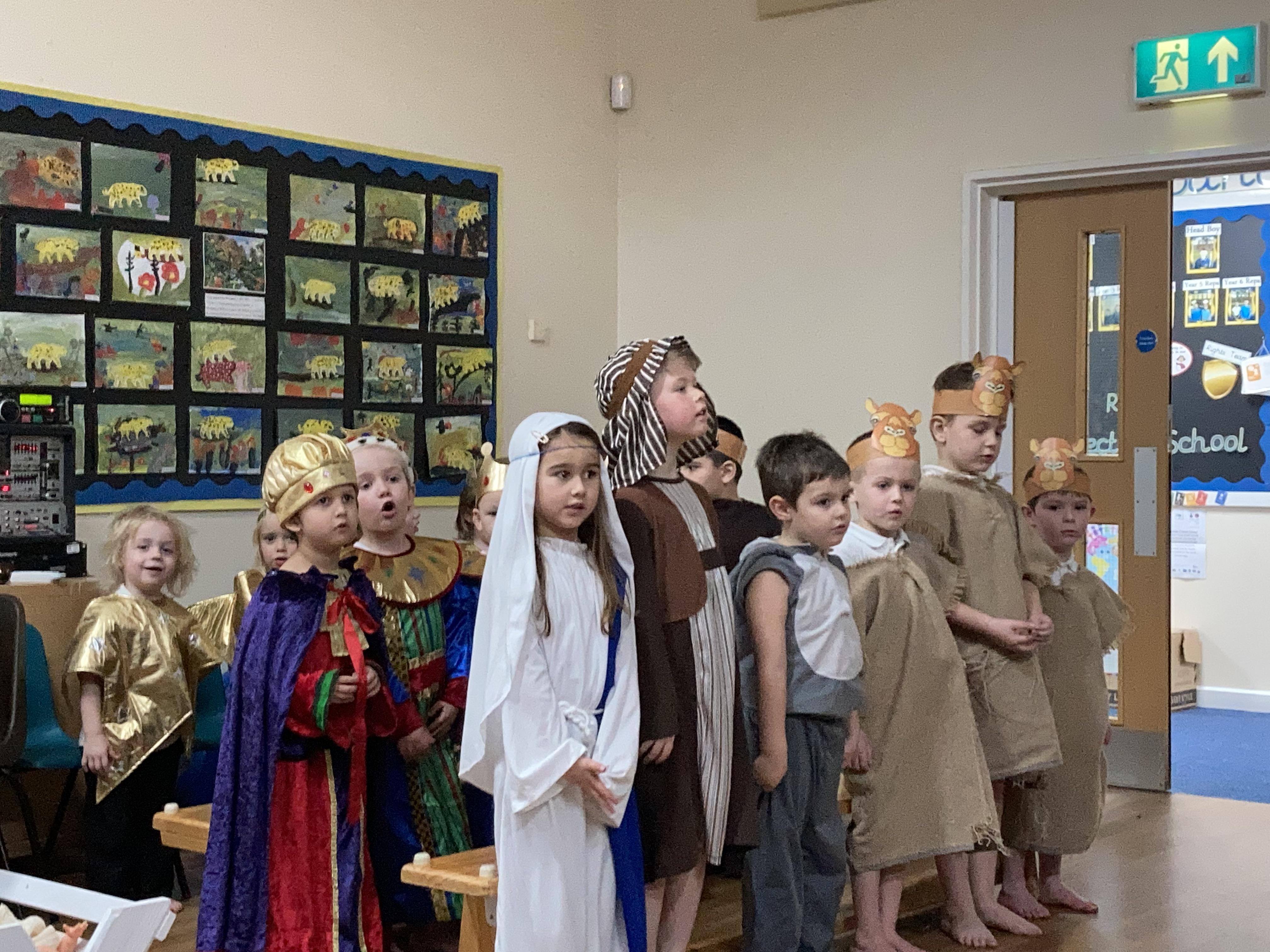
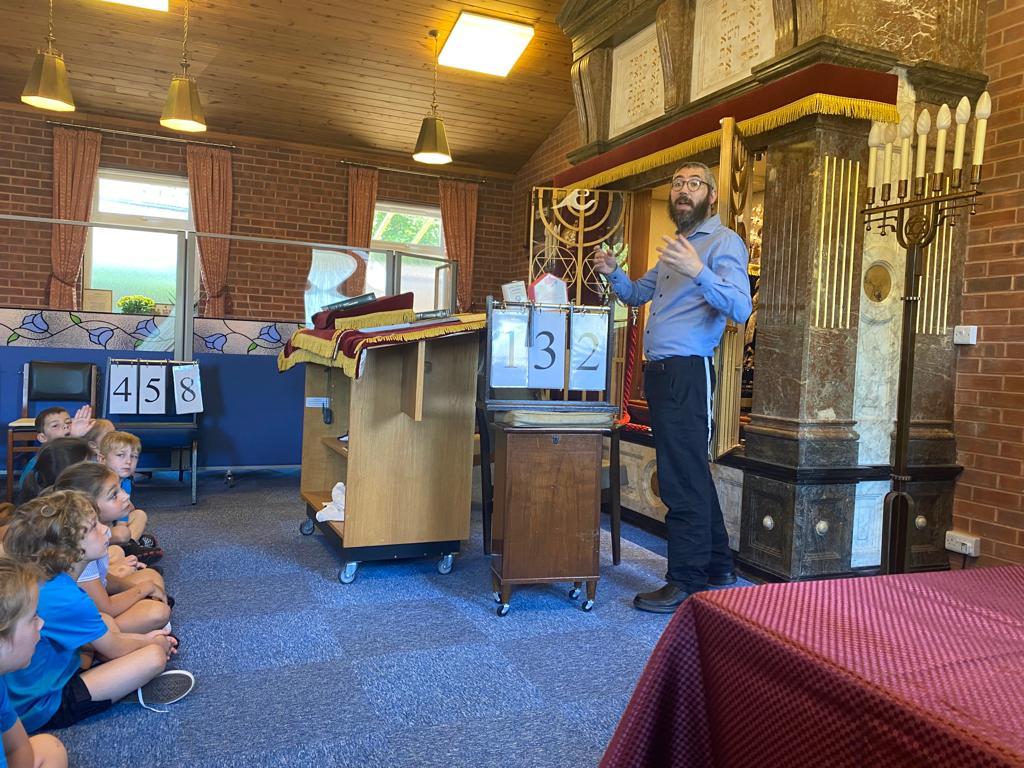

Nottinghamshire Agreed Syllabus 'RE for All' 2021-2026
At Kimberley Primary School and Nursery, Religious Education (RE) plays a vital role in preparing children to live well in a diverse and ever-changing world. Through the teaching of RE from EYFS to Key Stage 2, we aim to develop pupils’ knowledge and understanding of Christianity and other principal religions and world-views represented in Great Britain, in line with the Nottinghamshire Local Authority Agreed Syllabus and the expectations of the National Curriculum.
RE enables children to ask and explore challenging questions about meaning, purpose, beliefs, values and human responsibility. It supports pupils in understanding both their own beliefs and those of others, fostering respect, curiosity and reflection. Through high-quality RE, children develop as thoughtful, informed and compassionate citizens who can engage positively with difference and diversity.
Our RE curriculum is closely linked to our whole-school values of:
- Gracious – showing kindness, respect and understanding towards people of all faiths and beliefs
- Resilient – developing confidence to ask difficult questions, challenge ideas respectfully and reflect deeply
- Empathy – understanding the experiences, beliefs and traditions of others with compassion and sensitivity
- Ambitious – striving for high-quality thinking, discussion and understanding of complex moral and spiritual concepts
- Thoughtful/Tolerant – reflecting carefully on personal beliefs while valuing and respecting different viewpoints
RE also provides rich opportunities to support our Rights Respecting Schools agenda by helping pupils understand dignity, equality, freedom of belief and mutual respect. Children learn that everyone has the right to be heard, valued and treated fairly, promoting a strong sense of global citizenship and social responsibility.
In addition, RE is a key driver for developing oracy skills, encouraging children to articulate ideas clearly, listen actively, debate respectfully and justify opinions using evidence and reflection. Through discussion, questioning and collaborative learning, pupils become confident communicators who can engage thoughtfully with the world around them.
RE is taught throughout EYFS, Key Stage 1 and Key Stage 2 using the Nottinghamshire Agreed Syllabus for Religious Education, ensuring progression in knowledge, vocabulary and disciplinary understanding.
Our curriculum is structured to provide a balance between:
- learning about religion and belief (substantive knowledge)
- learning from religion and belief (personal reflection and application)
Pupils study Christianity as the principal religion of Great Britain, alongside other major world religions and world-views including Islam, Hinduism, Judaism, Sikhism and Humanism, where appropriate.
EYFS
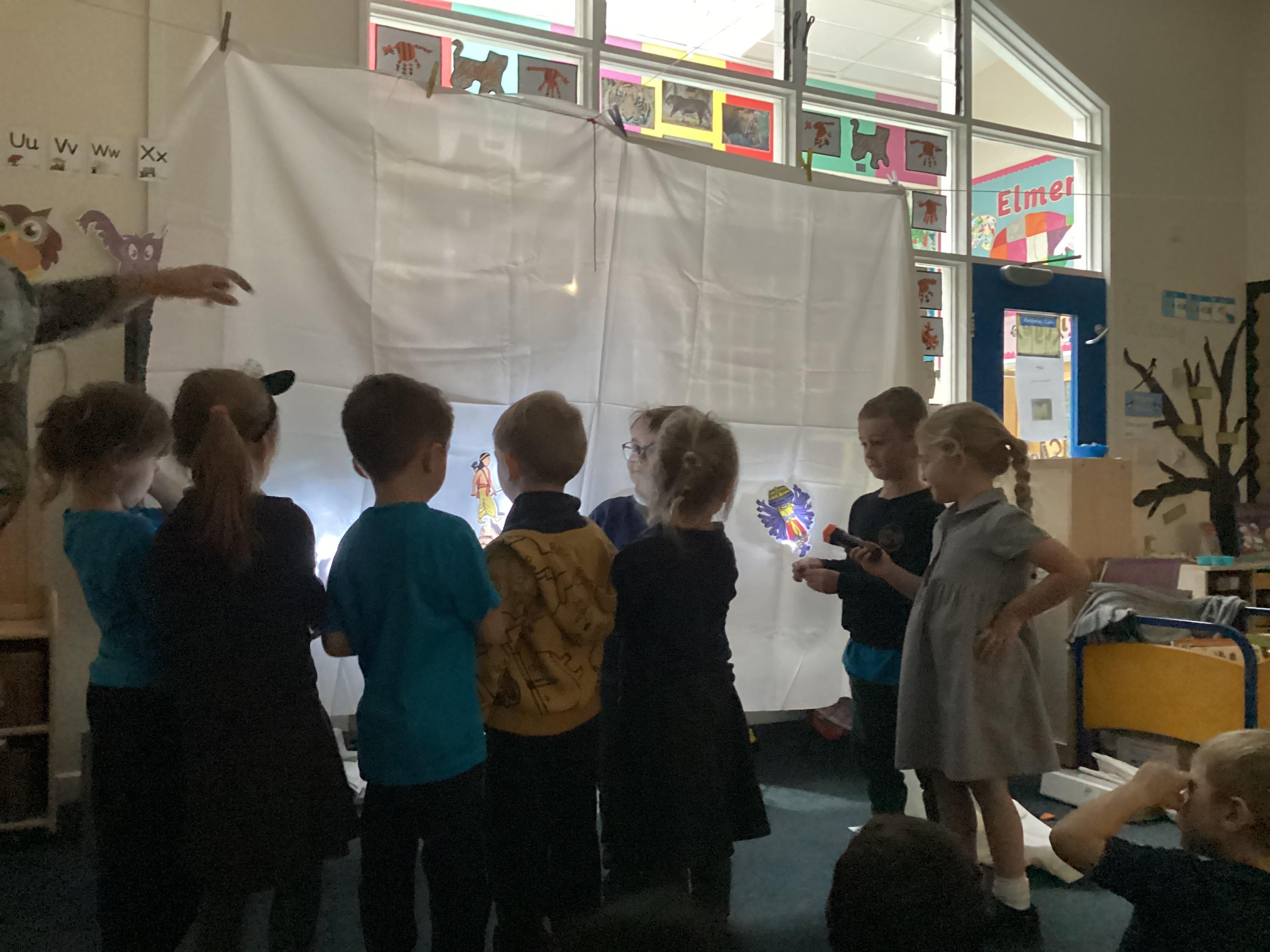
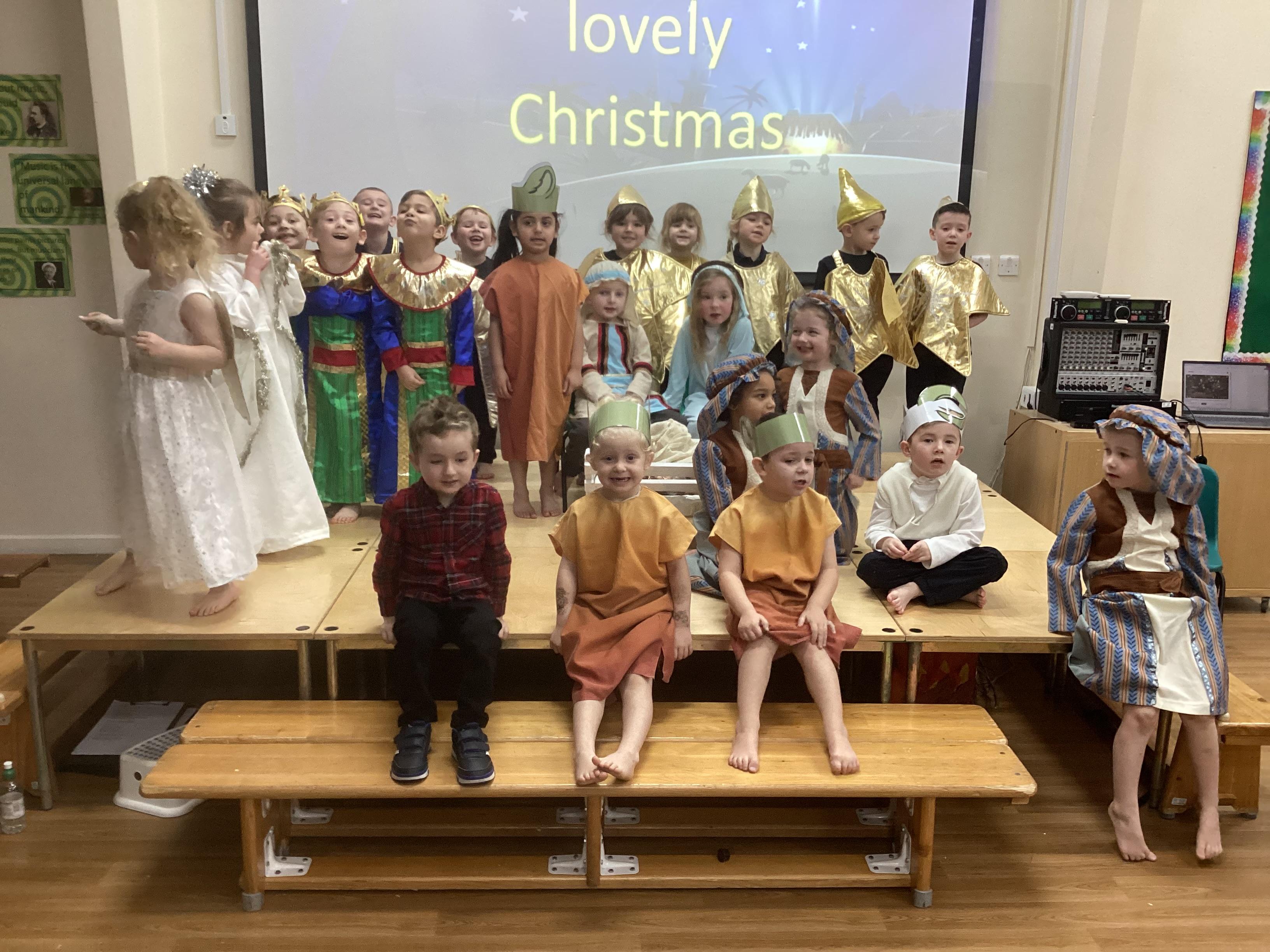
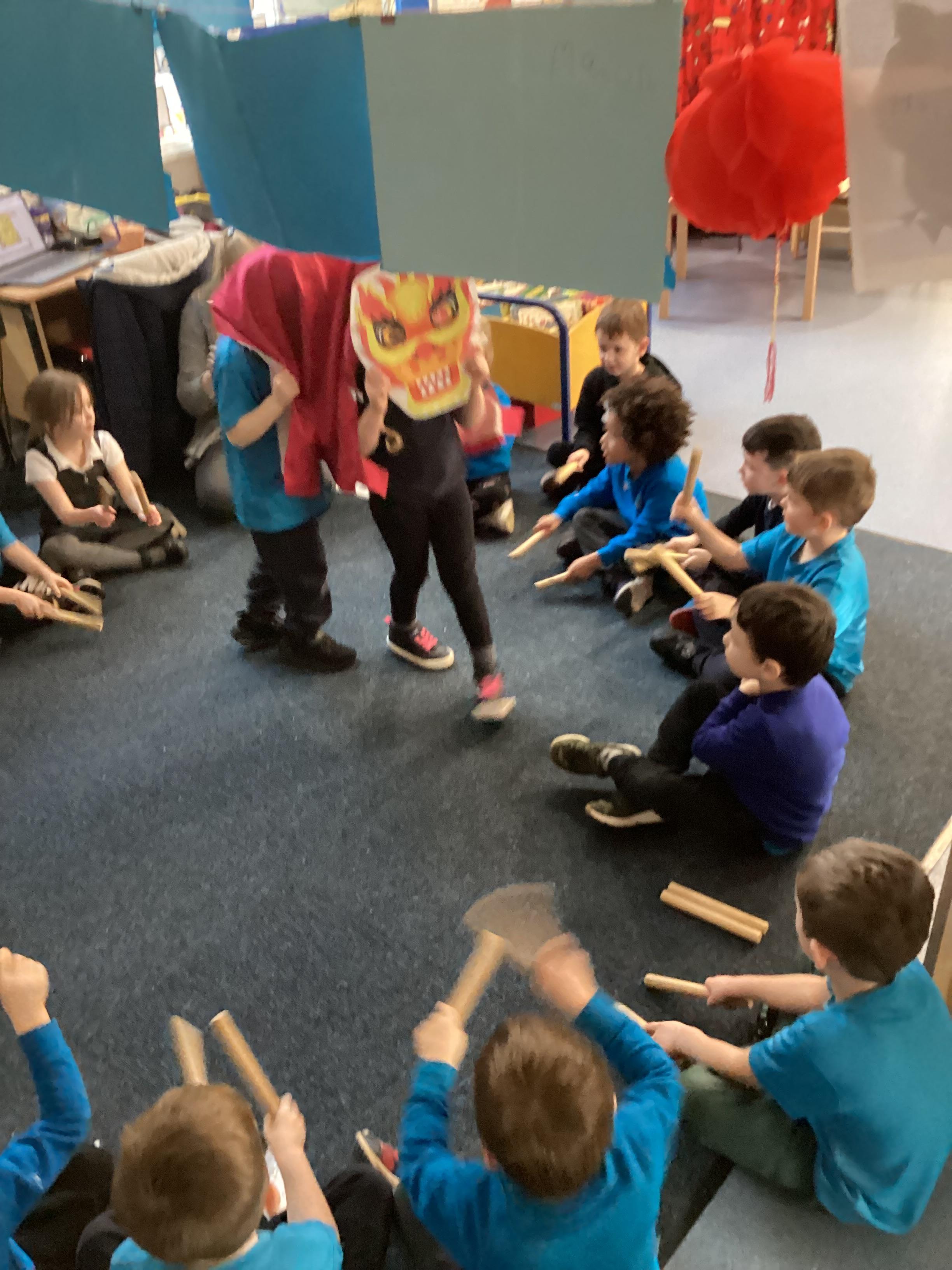
In the Early Years Foundation Stage, RE is taught through Understanding the World and Personal, Social and Emotional Development. Children begin to explore special people, celebrations, stories, places and beliefs. They learn about similarities and differences between themselves and others and begin to understand that people celebrate and live in different ways.
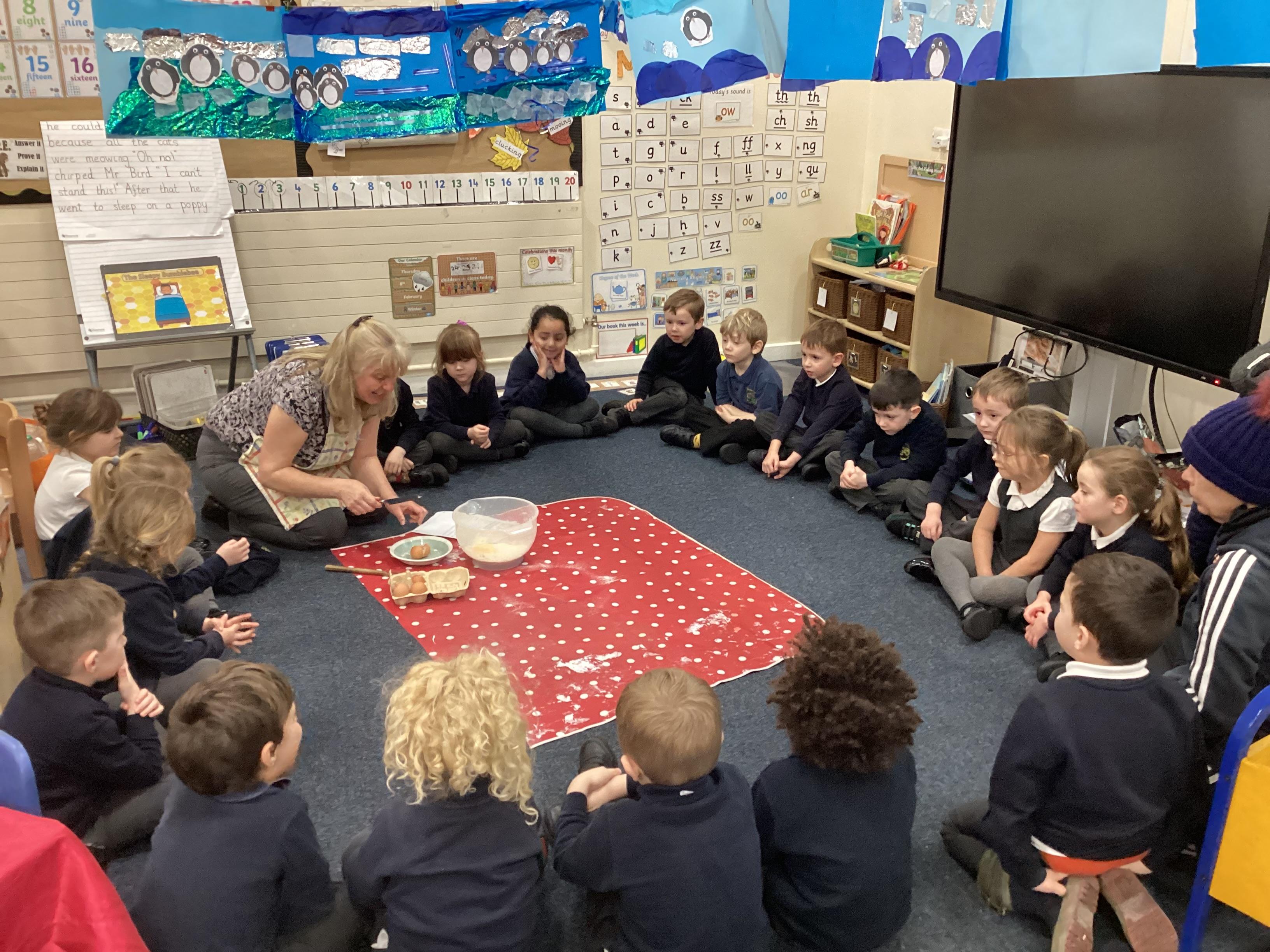
Learning is practical, discussion-based and rooted in children’s experiences, helping them develop early empathy, respect and curiosity.
Key Stage 1
In KS1, pupils build foundational knowledge of Christianity and other faiths through stories, festivals, worship, symbols and important people. They begin to ask simple questions about belonging, belief and meaning, making links between faith practices and their own lives.
Children are encouraged to talk about their ideas, ask questions and listen respectfully to others, strengthening both oracy and personal reflection.
Key Stage 2
In KS2, pupils deepen their understanding by comparing religions and world-views, exploring sacred texts, beliefs, moral teachings and the impact of faith on daily life. They investigate big questions such as justice, identity, suffering, forgiveness and responsibility.
Pupils develop critical thinking skills, engage in respectful debate and learn to express reasoned viewpoints while appreciating differing perspectives.
RE in all year groups is taught through a mixture of the following:
- high-quality questioning and discussion
- enquiry-based learning
- storytelling and use of sacred texts
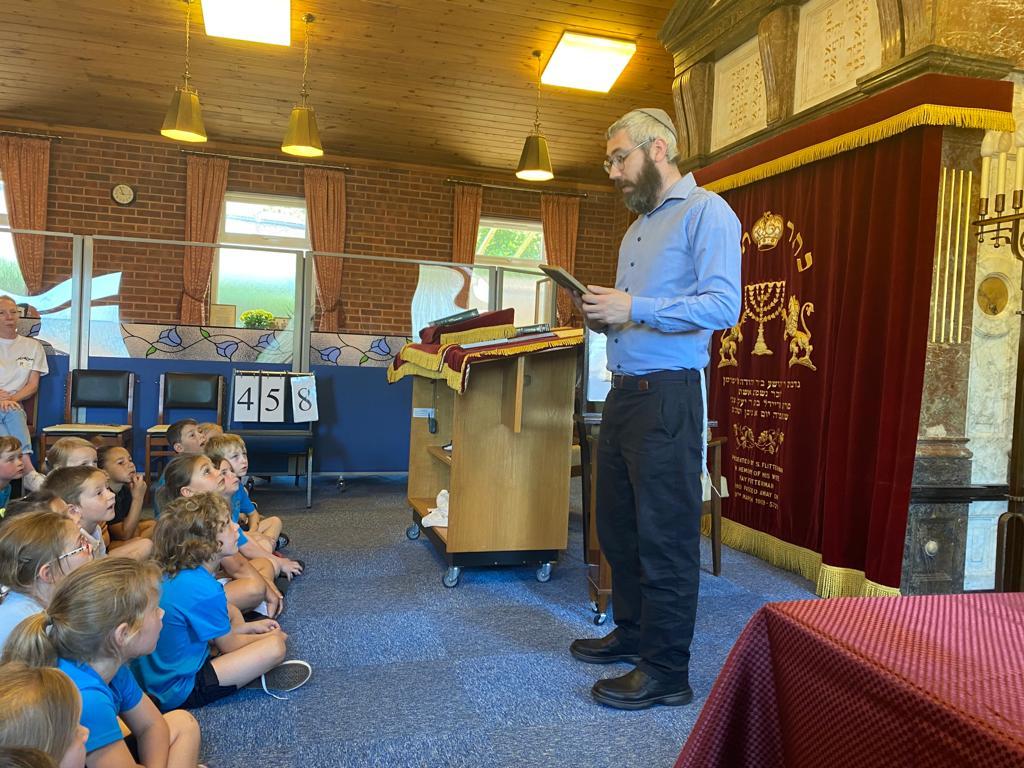
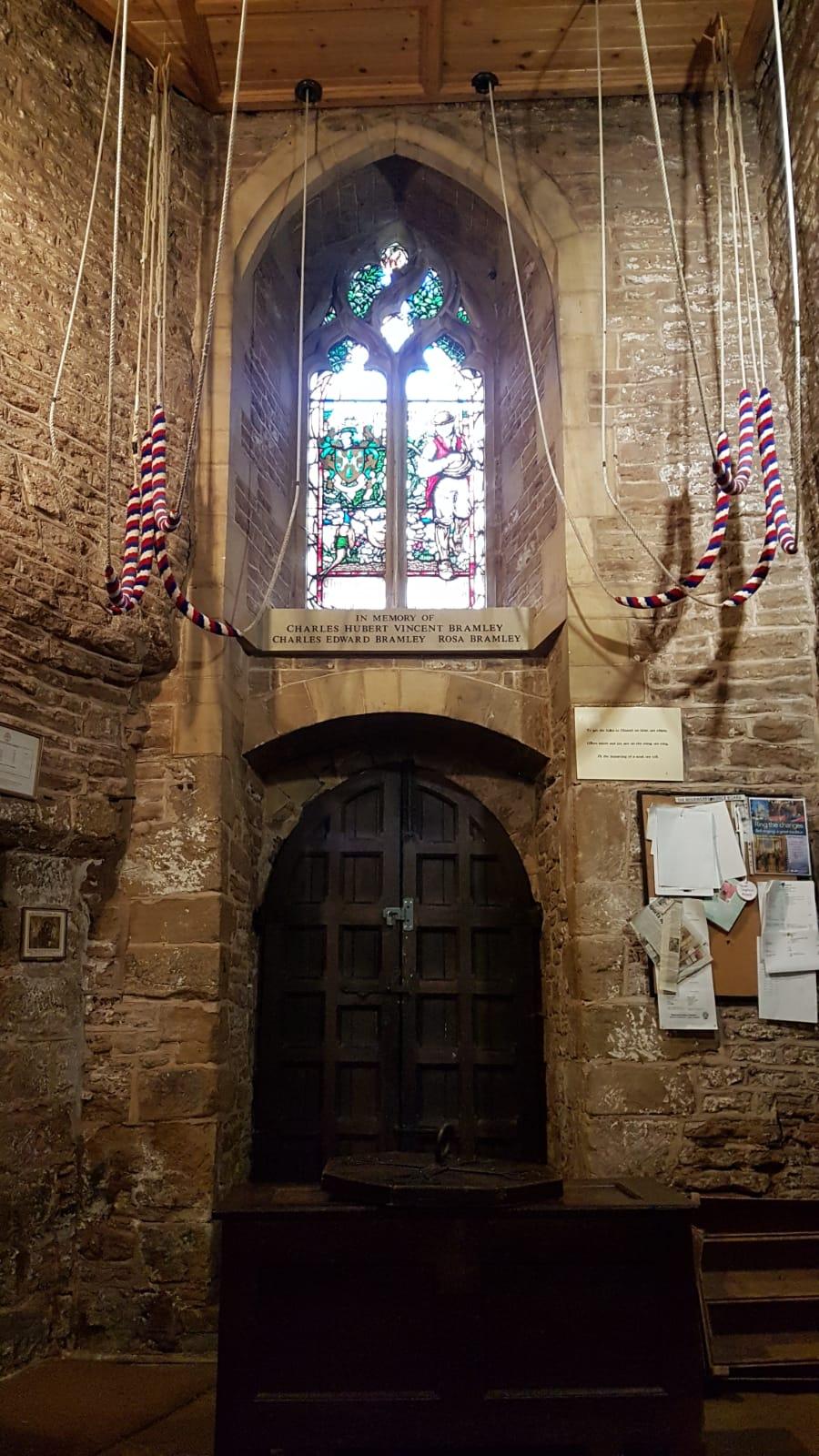
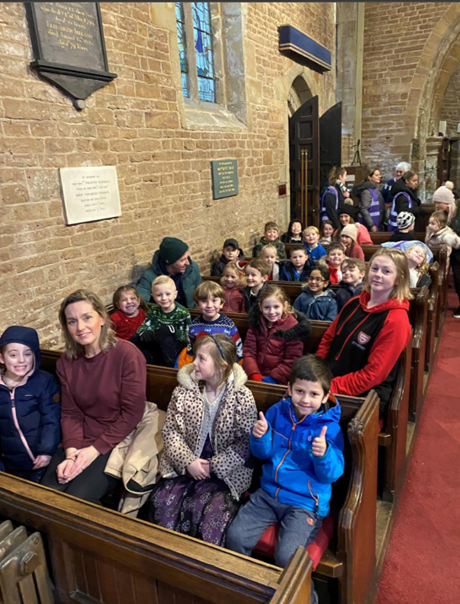
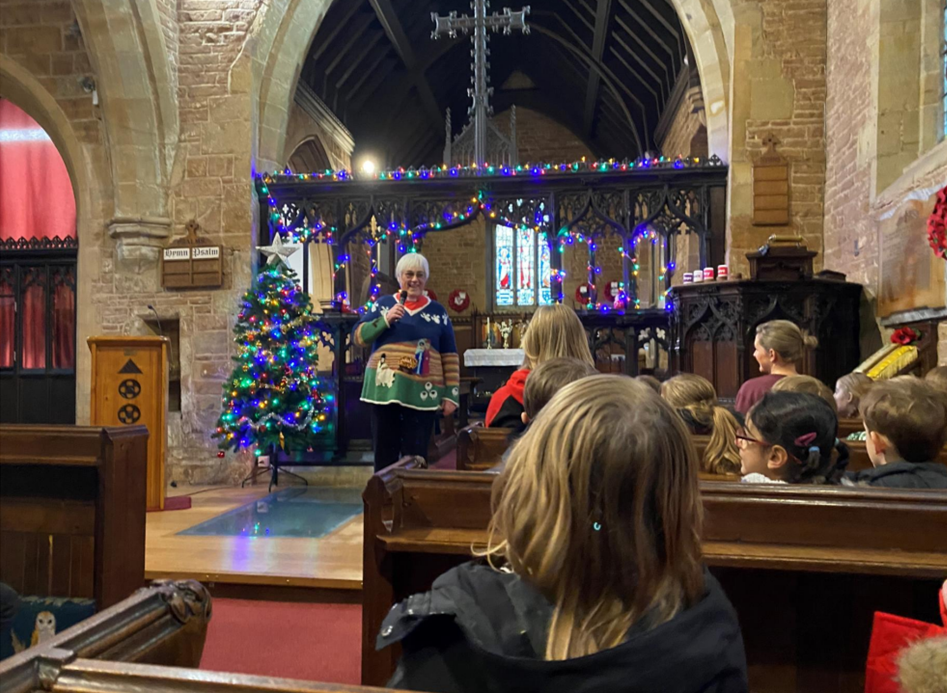
- visits and visitors where possible
- reflection and personal response
- collaborative talk and debate
- links to current issues and global citizenship
Vocabulary is explicitly taught and revisited to support understanding and communication. Teachers provide opportunities for children to use subject-specific language confidently through speaking, listening, reading and writing.
Assessment is ongoing and formative, focusing on children’s understanding, reflection and ability to make connections between beliefs, values and lived experiences.
By the time children leave our school, they will have developed a secure understanding of a range of religions and will be able to talk confidently about beliefs, values and identity.
We aim that when our pupils leave us, they will be respectful, reflective and informed individuals who embody our school values and are prepared to contribute positively to modern British society. They will leave with strong oracy skills, an understanding of human rights and dignity, and the ability to approach difference with grace, empathy and tolerance.